
I’ve been thinking a lot about community lately — not the kind we talk about in theory, but the kind that shows up quietly, without expectation, when you need it most.
The end of 2025 offered me an unexpected reminder of just how good people can be, and it arrived on a snowy back road, in the fading light of a winter afternoon, in the middle of a snowstorm.
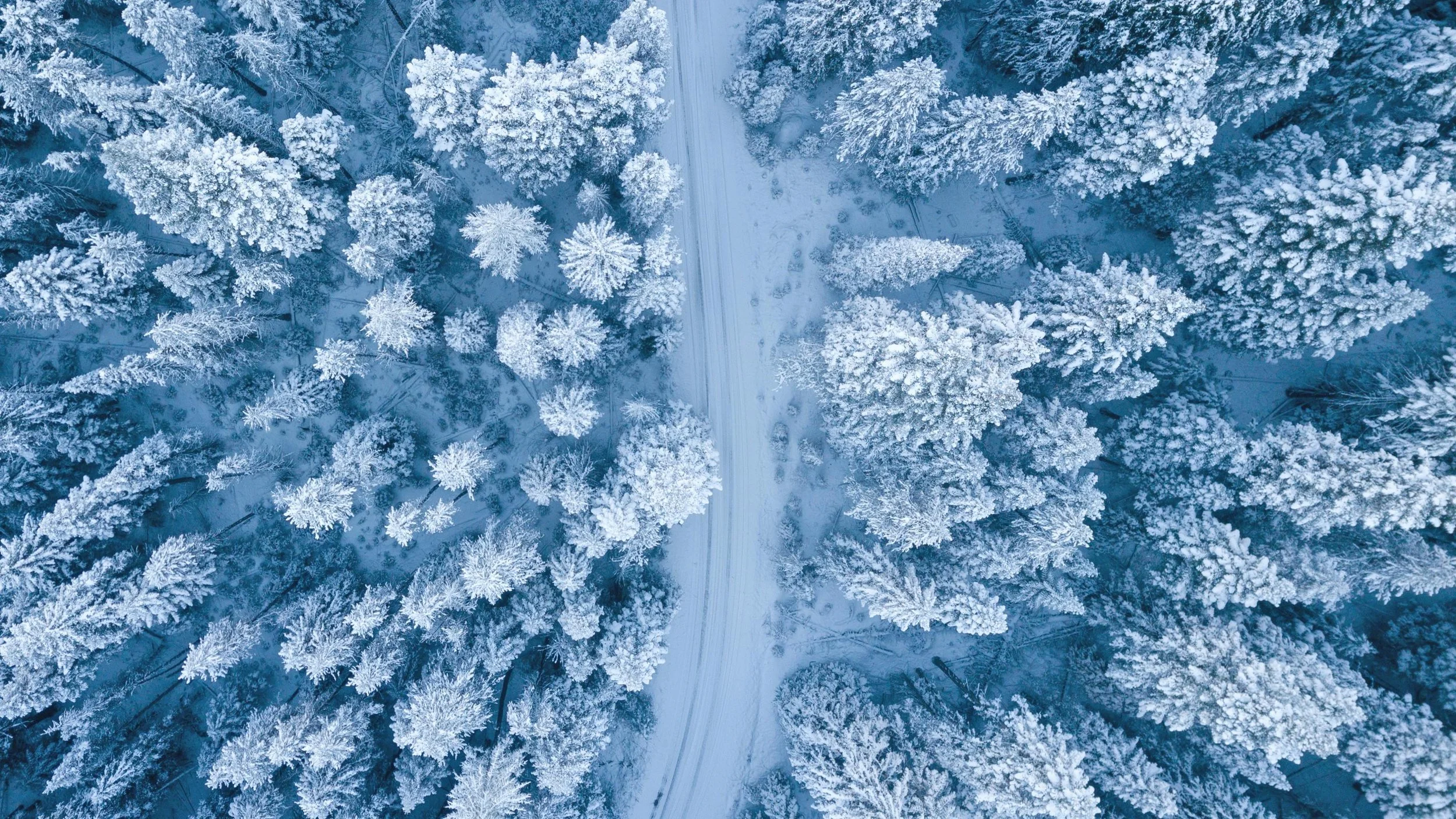
Our middle son, Andrew, had decided to make his way north to the cottage to join us. Poor weather and his work schedule had kept him home longer than planned, but when the timing finally seemed right, he packed up the car and headed north.
Not long after he left, my nervous system kicked in. It was bitterly cold, the light was fading, and while Joe and I had reminded Andrew (more than once) about the importance of winter preparedness, he had left home in running shoes, without a hat. Classic teenage planning. I called him to see how the drive was going. No answer. Little did I know, he was in the middle of nowhere.
I learned later that as his drive went on, conditions deteriorated quickly. Partway through the trip, Andrew encountered road closures on the main route we typically take. Instead of backtracking to the next major road, he did what many of us have done before — he followed Google Maps.
I’m sure you’ve had that experience where Google Maps confidently directs you down a road that looks like it hasn’t seen maintenance since the early settlers. That was Andrew’s road.
He followed the GPS onto a side road clearly marked as having no winter maintenance. Apparently, he missed the large neon yellow sign, likely while watching the screen. Snow drifts began to deepen, but he continued on until four-foot drifts finally stopped the car in its tracks.
By that point, it was dark. Despite trying to dig himself out, there was no way he was getting out of there.
Thankfully, Andrew had filled the car with gas before leaving and was able to stay warm while he waited. Joe drove out to get him a couple of hours later, and they made it safely back to the cottage together. Everyone was safe and sound, though the car remained stranded on that snowy road.
The next morning, Joe and I got to work trying to figure out how to retrieve it. Because the road wasn’t maintained, CAA couldn’t access it. We called everyone we knew who might be able to help clear the snow — our local plow company, but they were too busy and too far away; local mechanic shops, but they were all closed for the holidays.
Eventually, I phoned a local market, despite the weather and the holiday, and spoke to a lovely woman. I told her about our dilemma. After hearing the location of the car, she gave me the name and phone number of a nearby farmer who could help. Duane was his name.
I called and spoke to his wife. He was out working on the farm and would call me back. Duane and his wife, utter strangers, had no reason to go out of their way — but they did. Calls were made. Messages were passed along. People showed up.
Duane found the car abandoned on the road and let me know that someone had already plowed part of the way. With a couple of shovels and some human effort, we should be able to get it out.
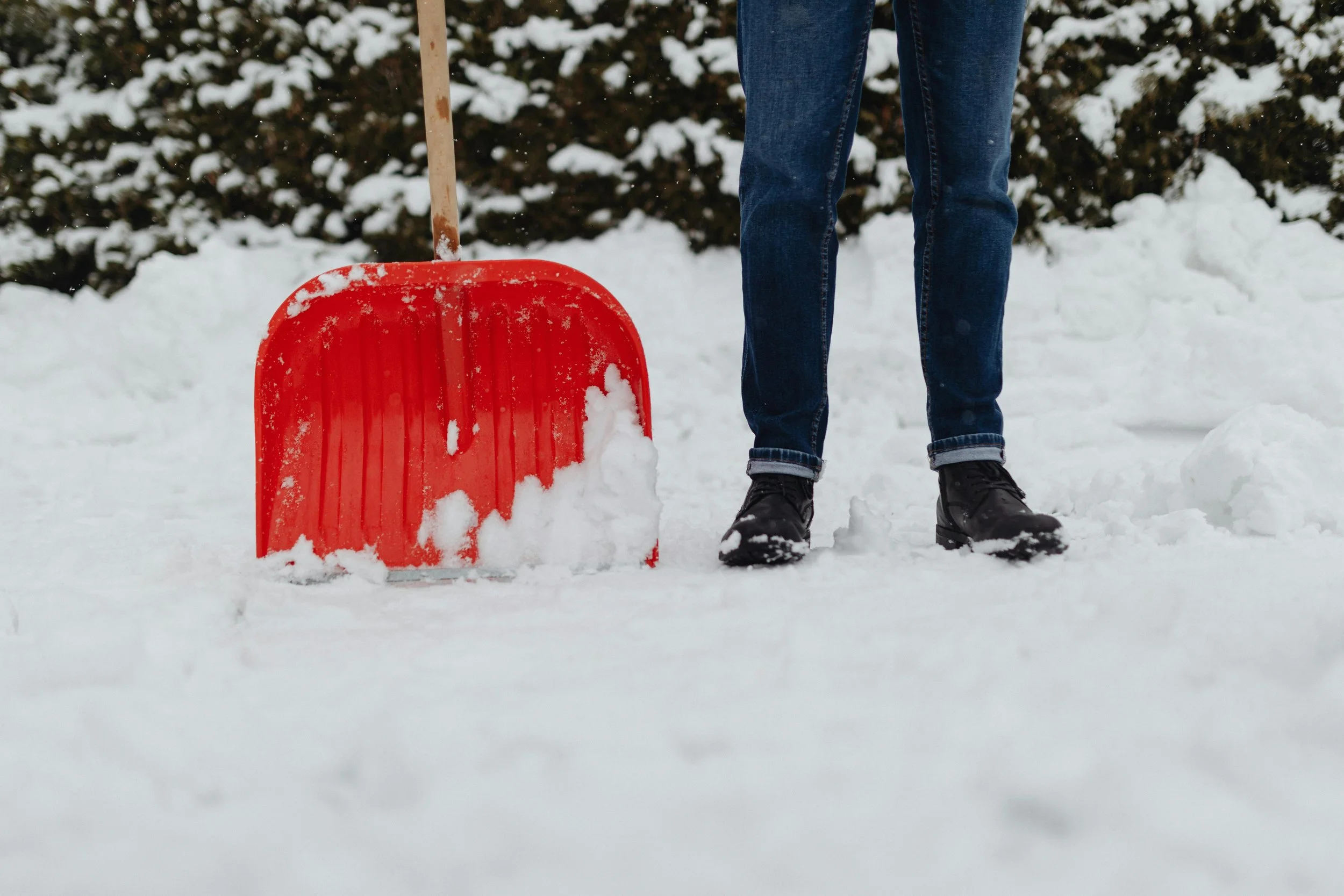
And that’s exactly what happened. We left the cottage with three shovels in hand, fully decked out in snow suits, ready to tackle the snow and retrieve the car.
What struck me most in all of this wasn’t just the relief of getting the car back, but the generosity of the people who helped us. The area where Andrew got stuck is heavily populated by Mennonites. I could have made assumptions — that no one would have a phone, or that they wouldn’t help because I wasn’t part of their community.
But I didn’t. And more importantly, that wasn’t my experience at all.
Instead, I was reminded of something I deeply believe: most people want to help, if they can. And when given the opportunity, they often do.
We live in a time when it can feel like we’ve forgotten what true community is. A time when we sometimes look to receive before we give. When we focus on differences instead of similarities. When judgment can come faster than curiosity.
This experience reminded me that people are good by nature.
Everyone in our family took something different from this moment. For Andrew, it was a lesson in winter preparedness: never leave home without boots, a hat, mitts, a shovel, a blanket, and a healthy respect for the weather. For all of us, it was a reminder not to be afraid to ask for help, and that support can come from places you least expect.
And maybe most importantly, it reinforced this simple truth: we don’t have to do everything alone.
I know it can feel like humanity is less thoughtful these days, and at times, that may be true. But people don’t change without being given the opportunity. If we lead with openness, curiosity, and trust, we might just be surprised by what we find. Even on a snowy road in the middle of nowhere.