
Your Home Is Not an Algorithm | Designing Beyond Pinterest and AI Interiors
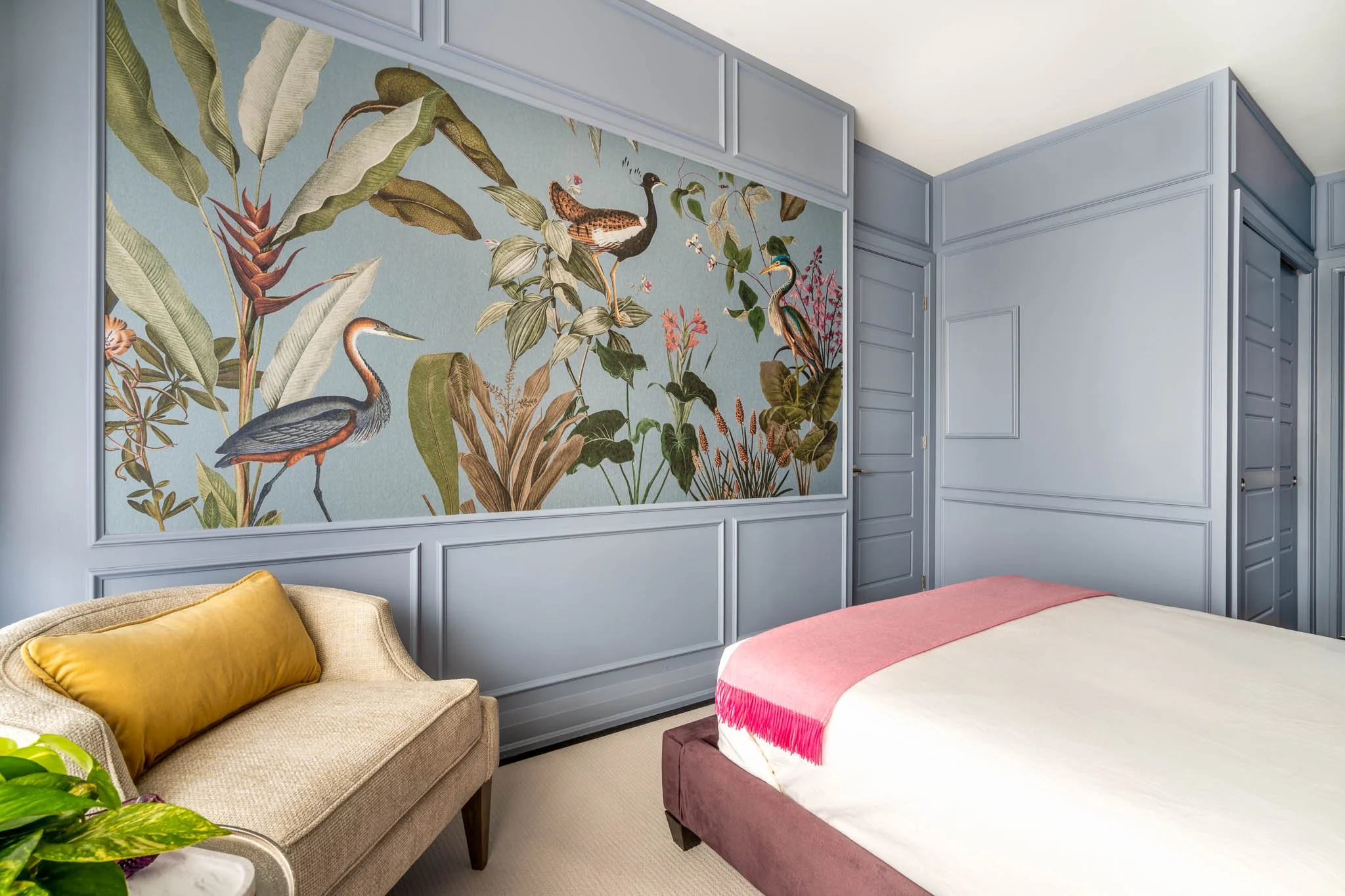
As you can imagine, I’ve walked through more homes than most. Each one is unique, telling its own story about the families that have lived there. Some homes emphasize challenges from a functional perspective, while others miss the mark between what is beautiful and the true story of the home and its owners. Both are important.
In this day and age, with our busy lives, we look for ease in our homes. Ease of organization and ease of finding things. We are always looking for the magic budget. We want someone to tell us what is right and what we should do to save time and money. Now, with AI, we even ask Chat or another program to give us ideas on where to start and how to move forward. Two extremely scarce commodities in this day and age.
Online platforms, including Pinterest and Instagram, show us beautiful pictures of rooms that begin to look like eye candy. Spaces that we could only hope to have. Rooms that are beautiful to look at, often rich with balance and simplicity. Two features of life that we are craving.
There are three issues to consider the next time you look at these pictures. The first is the rise of AI. A number of these images are not even real. They are AI generated. As time goes by, these images are becoming more realistic and harder to distinguish from reality. Yet our social media feeds have become inundated with them. Representations of rooms that do not even exist, yet we are drawn to them as an example of beauty. Then our algorithm keeps sending us more after we tap once.
I recently reflected with a past client on her project and what really stood out to her about why she loved her space. To give you a little background, this client works in marketing and spends a lot of time on social media. As you can imagine, she was well versed in Pinterest and Instagram and had saved a large portfolio of images before starting her project. When she hired me, she thought I would simply help her pull it together using those images.
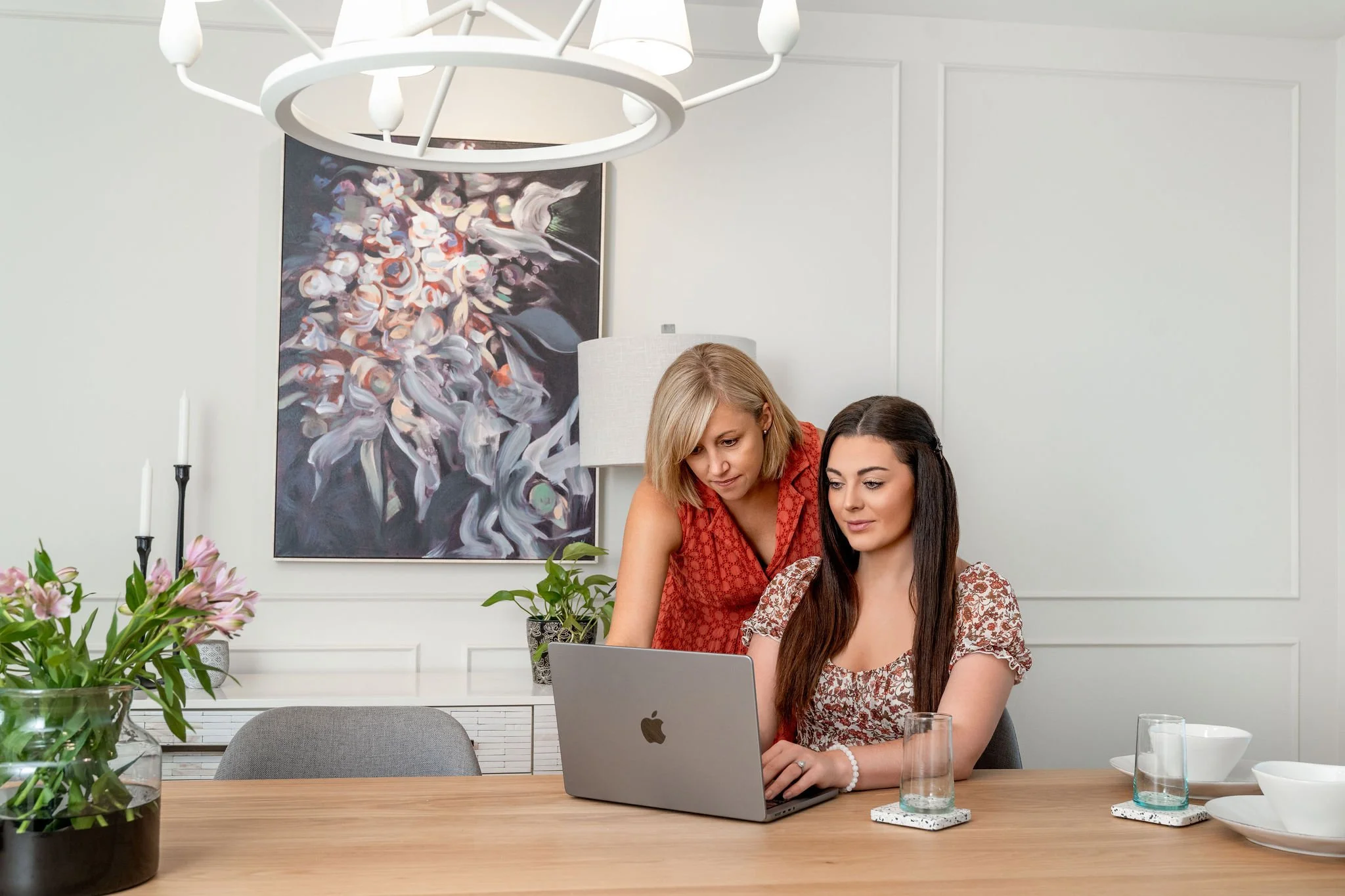
The challenge was her algorithm. She had spent so much time on social media that she believed replicating those images in her space was the direction she should take. I listened carefully and took notes, acknowledging what she was saying while also gathering more information to understand who she was at a deeper level and what she and her family truly needed in the space.
The problem is the algorithm. It keeps sending us images of what it thinks we should like. Yes, they might be beautiful, but they might not be right for you and your story.
Trends become the other influence. As something new emerges, our feeds, stores, and even television become inundated with the same ideas and products. I remember when gray was the trend. I tried so hard to love it and incorporate it into my home, but it never felt right for my family’s story or the story of my house. Trends are meant to ignite creativity and offer a new way of thinking about colour and design. They are something to analyze, sit with, and decide if they truly work within your personal story and your home. They are not meant to be taken literally.
What ends up happening is that we lose sight of what we actually need in our spaces. Instead, we put on blinders. We connect visually and become disconnected from what truly matters. It is my belief that when we take the time to sit and think about what brings us joy in our space, our home truly becomes a haven. This might be hard to hear, but there is no magic solution on Pinterest or Instagram.
What does this look like?
Before we think about a space, we feel it. Our bodies respond long before we have words to describe it. Tension in our stomachs or tightness in our chests can signal that something is off. I can instantly feel when a space is not working based on the principles of design. When furniture is in the wrong location, it can throw everything off, and all I want to do is relocate it. Before I jump in, it takes time to get to know the client and understand what affects their sensory experience, along with their lived experiences in the space.
I recently met with a client whose television location in their living room felt completely off to me, and I wanted to move it immediately. It affected the flow and balance of the space. It bothered them too, but the location of the television was also strategic so it could be enjoyed while cooking and socializing. In the end, the television stayed, and we adjusted the furniture type and layout to improve balance and flow. That is sometimes what needs to happen to make a space feel right and function well. The needs do not compete. They work together.
The key is ensuring that each space can evolve over time. The television location makes sense for this busy family right now, but this might not be the case in five years. The television may no longer be important, and the focal point will need to shift. Understanding time as a component, and that spaces should evolve with you rather than against you, is important. Needs change, and that is a fact. Flexibility is key. Choosing furniture that can move from one room to another or serve multiple purposes can bring ease into a space.
The beautiful thing about design is that there is no one right way to conceptualize a room. The key is understanding yourself, taking the time to discover what you need, and giving yourself permission to enjoy the beauty that unfolds. This goes beyond functionality. It involves interpretation and tapping into your creativity.
For some, design may feel like a luxury. I see it as something that contributes to mental health and wellbeing. A client who is a therapist recently shared this perspective with me as she was about to begin a project. She sees our work together as part of her overall support system, helping to reduce stress, bring joy, and create a true sanctuary.
It really comes down to taking the time to listen, to reflect, and to think about what actually works for you and your life.